Go Fishing.
Go Fishing.
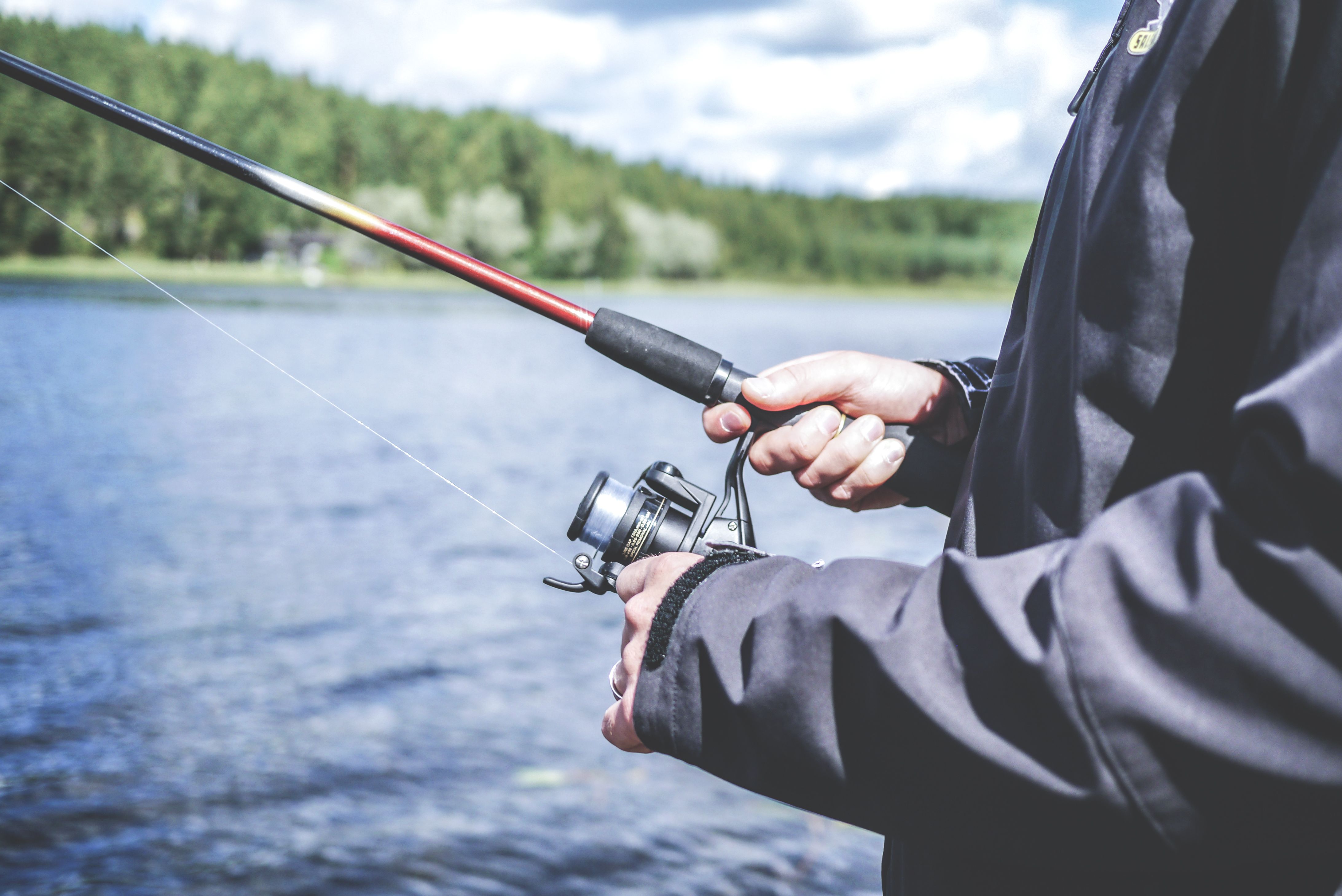
Fishing is a popular recreational activity that can also provide many benefits for your health and well-being. In this blog post, we will explore some of the advantages of fishing and how you can get started with this rewarding hobby.
Fishing can help you relax and reduce stress. Spending time in nature, away from the noise and distractions of everyday life, can have a calming effect on your mind and body. Fishing can also improve your mood and lower your blood pressure, as it releases endorphins, the natural chemicals that make you feel happy.
Fishing can also challenge you physically and mentally. Depending on the type of fishing you do, you may need to use your strength, endurance, coordination, and balance to cast, reel, and land a fish. You may also need to use your creativity, patience, and problem-solving skills to find the best fishing spots, choose the right bait and tackle, and adapt to changing weather and water conditions.
Fishing can also connect you with other people and nature. Fishing can be a great way to bond with your family and friends, as you share the excitement and satisfaction of catching a fish. You can also meet new people who share your passion for fishing and learn from their experiences. Fishing can also increase your appreciation and respect for the environment, as you observe the beauty and diversity of aquatic life.
If you are interested in fishing, there are some basic things you need to get started. You will need a fishing license, which you can obtain online or from a local fishing store. You will also need a fishing rod, reel, line, hooks, sinkers, bobbers, and bait. You can choose from different types of fishing equipment depending on your preference and budget. You will also need to find a suitable fishing location, such as a lake, river, pond, or ocean. You can search online or ask local anglers for recommendations.
Fishing is a fun and rewarding activity that can enrich your life in many ways. Whether you are looking for a way to relax, challenge yourself, or connect with others and nature, fishing can offer something for everyone. We hope this blog post has inspired you to give fishing a try or to continue enjoying this wonderful hobby.
Fishing tips
Tip #1: Choose the right gear for your target species and location. Fishing gear can vary widely depending on what kind of fish you are after and where you are fishing. For example, if you are fishing for trout in a stream, you might need a light rod and reel, a small hook, and a natural bait like worms or insects. If you are fishing for bass in a lake, you might need a medium rod and reel, a larger hook, and an artificial lure like a spinner or a crankbait. You should also consider the water conditions, such as depth, clarity, temperature, and current, when choosing your gear.
Tip #2: Learn how to cast properly and accurately. Casting is one of the most important skills in fishing, as it determines how far and where you can place your bait or lure. To cast effectively, you need to have a good grip on your rod, a smooth motion of your arm, and a precise release of your line. You should also practice casting in different situations, such as into the wind, under trees, or near structures. The more you practice, the more confident and accurate you will become.
Tip #3: Know when and where to fish. Fishing success depends largely on timing and location. You need to know when the fish are most active and where they are likely to be found. Generally, fish are more active during dawn and dusk, when they feed on smaller prey. They also tend to move deeper during hot or cold weather, and closer to the surface during mild weather. You can also use clues from the environment, such as vegetation, rocks, logs, or currents, to locate fish habitats.
Tip #4: Be patient and adaptable. Fishing is not always easy or predictable. Sometimes you might catch a lot of fish in a short time, and sometimes you might not catch anything at all. The key is to be patient and enjoy the process of fishing, not just the outcome. You should also be willing to try different things if your current strategy is not working. You can change your bait or lure, your location, your depth, or your technique until you find what works best for you.
Tip #5: Follow the rules and regulations. Fishing is not only a hobby but also a responsibility. You should respect the fishery resources and the environment by following the rules and regulations set by the authorities. These rules might include limits on the size or number of fish you can keep, seasons or areas where fishing is allowed or prohibited, or methods or gear that are permitted or banned. You should also practice catch-and-release whenever possible, especially for endangered or threatened species.
Tip #6: Have fun and be safe. Fishing is meant to be an enjoyable and rewarding activity that can bring you happiness and satisfaction. You should have fun while fishing, but also be safe and careful. You should wear appropriate clothing and footwear for the weather and terrain, use sunscreen and sunglasses to protect yourself from the sun, wear a life jacket if you are fishing from a boat or near deep water, and carry a first aid kit in case of emergencies. You should also be courteous and respectful to other anglers and landowners.
I hope these tips will help you improve your fishing skills and have more fun on the water. Fishing is a wonderful way to connect with nature and yourself, as well as with your friends and family. Happy fishing!

Comments
Post a Comment